How uPVC Multipoint Locks Fail — and Why Early Repair Matters
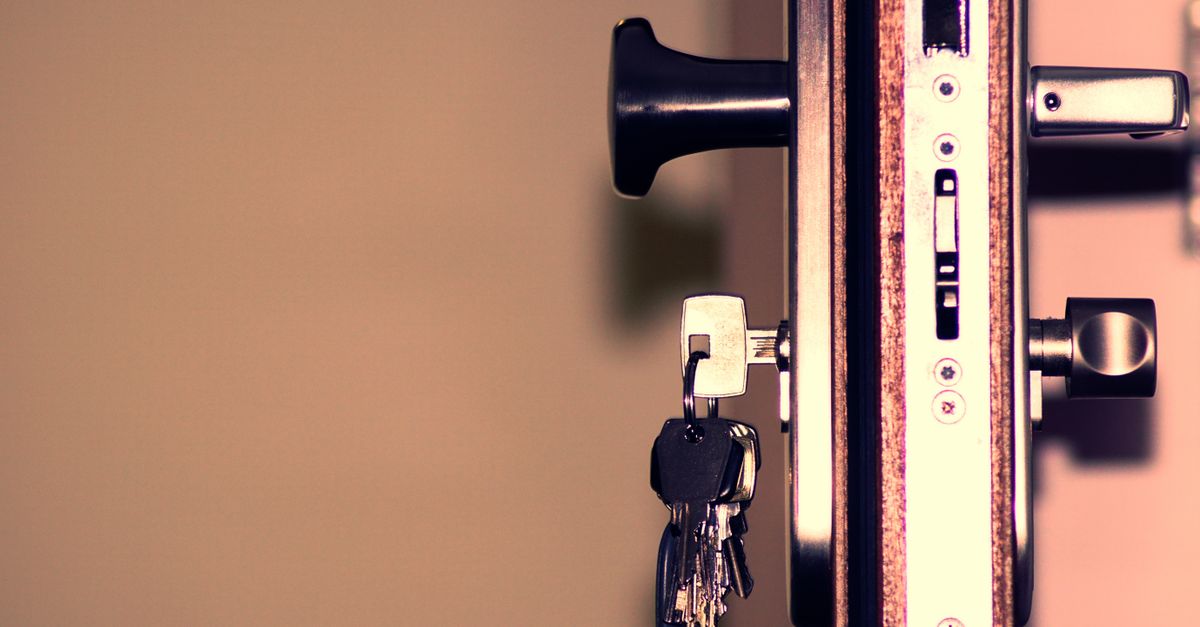
A uPVC multipoint lock is not a single lock — it is a strip of interlocking bolts, hooks, and rollers driven by a central gearbox when the handle is lifted. The gearbox is the heart of the system: a stack of nylon and metal cogs that translate handle movement into the simultaneous engagement of every locking point along the door edge. Because it operates every time the door is used, the gearbox accumulates wear faster than almost any other component in the home. The most common failure modes our technicians encounter in Bermondsey are a sagging handle that returns slowly or not at all, locking points that extend but do not retract, a mechanism that feels stiff in cold weather and jams entirely in winter, and a door that appears shut but whose bolts have not fully engaged. Left unaddressed, a partially engaged multipoint lock offers far less resistance to forced entry than a fully working one.
Patio and French doors — common in the garden-level flats and mews conversions around Bermondsey and neighbouring Rotherhithe — present a slightly different picture. Sliding door lock replacement is one of the most frequent jobs our team handles on these properties, because the sliding track mechanism is exposed to grit and moisture that accelerate wear in the roller bolts and anti-lift pins. A sliding door whose lock no longer engages properly is a significant security risk, and it is rarely fixed by lubrication alone once the gearbox internals have degraded.